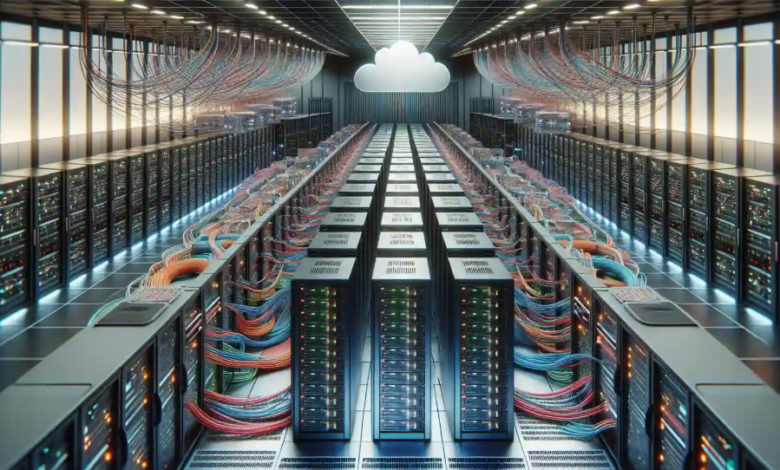
In today’s digital world, the term data center facility has become increasingly important. Organizations of all sizes rely on these facilities to manage, store, and process massive amounts of data efficiently. A data center facility is not just a storage space for servers; it is a complex ecosystem designed to ensure uninterrupted operation, high performance, and data security.
What is a Data Center Facility?
A data center facility is a dedicated space where an organization’s IT operations and infrastructure are centralized. It houses critical computing equipment such as servers, storage systems, networking devices, and cooling systems. The primary purpose of a data center facility is to ensure data availability, integrity, and security while providing the necessary power and connectivity for mission-critical applications.
Unlike a typical office server room, a data center facility is built with redundancy, security, and scalability in mind. These facilities are designed to operate 24/7, often with minimal human intervention, using automated monitoring and management systems.
See also: Expert Repair Solutions for Every Roofing Need: Protecting Phoenix Homes from the Unexpected
Key Components of a Data Center Facility
A modern data center facility consists of several critical components:
- Servers and Storage Systems: These are the backbone of a data center facility, responsible for processing, storing, and managing data efficiently.
- Networking Infrastructure: Includes routers, switches, firewalls, and cabling to ensure seamless communication between systems.
- Power Supply: Redundant power sources, including UPS (Uninterruptible Power Supply) systems and backup generators, keep the facility running during power outages.
- Cooling Systems: Data centers generate significant heat, requiring advanced HVAC (Heating, Ventilation, and Air Conditioning) systems to maintain optimal operating temperatures.
- Security Measures: Physical security (guards, biometric access) and digital security (firewalls, encryption) protect the facility and its data from threats.
- Monitoring and Management: Continuous monitoring of systems ensures that performance, security, and environmental factors are maintained at optimal levels.
Types of Data Center Facilities
Data center facilities are not one-size-fits-all; they can be classified based on ownership, purpose, or infrastructure:
- Enterprise Data Centers: Owned and operated by a single organization for internal operations.
- Colocation Data Centers: Offer space and infrastructure for multiple businesses to house their servers in a shared facility.
- Cloud Data Centers: Managed by cloud service providers, allowing businesses to access computing resources over the internet.
- Edge Data Centers: Smaller facilities located closer to end-users to reduce latency and improve performance.
Benefits of a Data Center Facility
Implementing a data center facility offers multiple advantages:
- Reliability: Redundant systems and backup power ensure continuous operations.
- Security: High-level security measures protect sensitive data.
- Scalability: Organizations can expand their computing capabilities as needed.
- Efficiency: Centralized management of resources reduces operational costs.
- Compliance: Helps businesses meet regulatory standards for data storage and processing.
Challenges in Managing a Data Center Facility
While a data center facility provides numerous benefits, it comes with its own challenges:
- High Operational Costs: Maintaining power, cooling, and infrastructure can be expensive.
- Complex Management: Requires skilled personnel to manage networking, security, and storage systems.
- Environmental Impact: Large facilities consume significant energy, requiring sustainable practices.
- Disaster Recovery: Planning for natural disasters, cyberattacks, or hardware failures is critical.
Best Practices for Data Center Facility Management
To ensure optimal performance, consider these best practices:
- Implement redundant power and cooling systems to avoid downtime.
- Monitor systems in real-time for performance and security alerts.
- Regularly update software and firmware to protect against vulnerabilities.
- Plan for disaster recovery and business continuity.
- Optimize energy efficiency through advanced cooling technologies and sustainable practices.
FAQs About Data Center Facilities
Q1: What is the difference between a data center and a server room?
A data center facility is larger, highly secure, and designed for redundancy, while a server room is a smaller setup with limited capacity and security.
Q2: How long does it take to build a data center facility?
Construction and setup can take anywhere from several months to a few years, depending on size, complexity, and compliance requirements.
Q3: What is the typical lifespan of a data center facility?
With proper maintenance and upgrades, a data center facility can operate efficiently for 10-15 years or more.
Q4: How is data protected in a data center facility?
Data protection involves physical security measures, encryption, firewalls, and regular backups to prevent data loss or unauthorized access.
Q5: Can small businesses benefit from a data center facility?
Yes, through colocation or cloud-based data center services, small businesses can access enterprise-level infrastructure without large upfront costs.
Conclusion
A data center facility is the backbone of modern IT infrastructure, providing secure, reliable, and scalable solutions for organizations of all sizes. From high-performance servers to advanced cooling and security systems, every component is designed to ensure uninterrupted operations. While managing a data center facility comes with challenges, implementing best practices can optimize performance, reduce risks, and future-proof your IT investments.