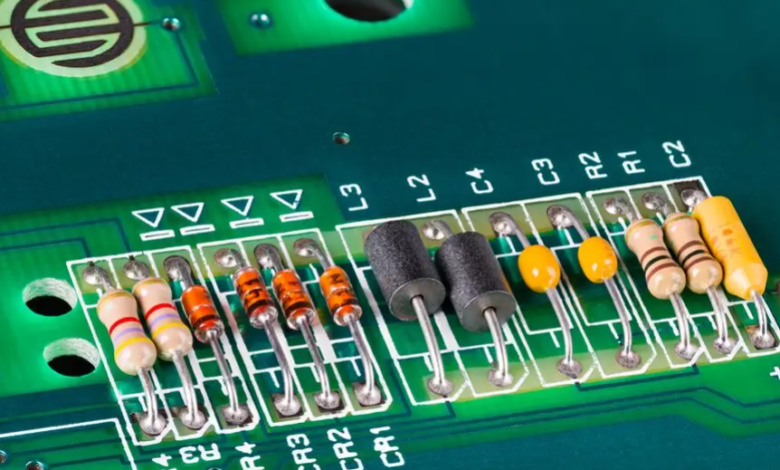
Printed Circuit Boards (PCBs) are the foundation of nearly every electronic device we use today—from the simplest household gadgets to complex systems in telecommunications and robotics. Whether you’re building a mechanical keyboard, a high-frequency communication device, or an automated robot, selecting the right type of PCB is essential to ensure performance, durability, and long-term reliability.
In this article, we’ll explore key factors to consider when choosing a PCB, discuss advanced options like Rigid-Flex and High-Frequency PCBs, and guide you through their applications in various industries. If you’re looking for a technical partner with deep expertise in fabrication and assembly, manufacturers like globalwellpcba.com offer comprehensive solutions tailored to your project requirements.
1. Understand the Basics of PCB Types
Before diving into advanced specifications, it’s crucial to understand the three basic types of PCBs:
a. Single-Sided PCBs
These are the most straightforward and cost-effective boards. All the components are mounted on one side, with a single layer of conductive material. Ideal for low-density designs, such as calculators or LED lighting.
b. Double-Sided PCBs
With conductive layers on both sides, these are more versatile and can support complex circuits. They’re widely used in consumer electronics like smartphones and audio equipment.
c. Multilayer PCBs
Multilayer PCBs consist of three or more layers and are ideal for high-speed, high-performance applications. They are found in devices like GPS systems, data servers, and advanced industrial machinery.
See also: Software Xud3.g5-fo9z Python Works: Technical Analysis
2. Consider Your Project’s Electrical Requirements
Electrical performance is a key factor in selecting a PCB. Ask yourself:
What is the expected signal speed?
Will the board carry high-frequency signals?
Is power integrity a concern?
What is the risk of electromagnetic interference?
For high-frequency applications like radar systems or 5G devices, High-Frequency PCBs are essential. These boards use materials like Teflon or Rogers to minimize signal loss and ensure reliable transmission even at gigahertz frequencies.
3. Material Selection Matters
The substrate material directly affects the board’s mechanical and electrical properties. Common materials include:
FR-4: A standard flame-retardant material with decent dielectric strength and thermal resistance. Suitable for general-purpose PCBs.
Polyimide: Offers superior flexibility and heat resistance, making it ideal for flexible circuits.
PTFE (Teflon): Used in High-Frequency PCBs for excellent signal transmission and low loss.
Choosing the right material ensures your PCB can withstand the demands of your specific application.
4. Advanced Options: Rigid-Flex and High-Frequency PCBs
a. Rigid-Flex PCBs
These combine the best of both rigid and flexible PCBs, enabling dynamic flexibility while maintaining a sturdy structure. They reduce connector use, lower overall weight, and increase design freedom.
Use Cases:
Medical implants
Aerospace navigation systems
Wearable devices
Military communication tools
b. High-Frequency PCBs
These boards operate efficiently at frequencies above 1GHz and require careful material selection to manage impedance, signal loss, and dielectric constant.
Use Cases:
RF devices
Satellite communication
5G infrastructure
Microwave antennas
If your project involves such applications, consider a partner like globalwellpcba.com who can help you navigate complex design and fabrication requirements.
5. Evaluate Your Assembly Needs
Choosing the right PCB isn’t only about the board—it also involves thinking ahead to PCB Assembly (PCBA). Consider:
Component density: Higher density means more heat, so heat management is critical.
Soldering techniques: SMT vs. Through-Hole vs. Mixed Assembly.
Testing requirements: Functional testing, In-Circuit Testing (ICT), and X-ray inspection for BGAs.
Turnaround time: For time-sensitive projects, choose a manufacturer offering rapid prototyping.
Advanced manufacturers often provide one-stop PCBA services, ensuring seamless production from design to delivery.
6. Don’t Overlook Environmental Considerations
If your product will operate in harsh environments—like industrial robotics or automotive systems—consider features such as:
Conformal coating for moisture and dust resistance
Heat dissipation solutions like thermal vias or aluminum substrates
Shock and vibration resistance through mechanical reinforcements
These features ensure long-term reliability and reduce maintenance or failure rates.
7. Choosing the Right Manufacturer
A well-designed PCB is only as good as its manufacturer. When selecting a production partner, look for:
Technical expertise: Do they support advanced PCBs like Rigid-Flex and High-Frequency boards?
Certifications: Check for ISO, UL, and RoHS compliance.
Quality assurance: Do they offer AOI, ICT, and other testing methods?
Scalability: Can they handle small prototype runs and large-scale production?
Manufacturers like globalwellpcba.com bring decades of experience, robust QA processes, and advanced capabilities to support your custom PCB and PCBA needs.
8. Application Spotlight: 60% Keyboard PCBs
Custom mechanical keyboards have surged in popularity among gamers, coders, and professionals. The 60 keyboard PCB is a compact, efficient, and highly customizable base for mechanical keyboards.
These PCBs support:
Hot-swappable sockets
RGB lighting
QMK/VIA firmware compatibility
Multiple layout configurations
Check out the 60 keyboard PCB option at globalwellpcba.com for high-quality, durable builds that meet enthusiast standards.
9. Applications Across Industries
Modern PCBs power almost every industry. Here’s how:
| Industry | Common PCB Applications |
| Telecommunications | High-speed routers, 5G infrastructure, base stations |
| Robotics | Motion controllers, sensors, automation modules |
| Medical | Wearables, imaging devices, diagnostic equipment |
| Automotive | ECUs, infotainment systems, battery management |
| Aerospace | Flight controllers, navigation panels, radar systems |
Choosing the right PCB ensures optimal performance, compliance, and safety across these high-stakes industries.
Final Thoughts
Choosing the right PCB isn’t a one-size-fits-all decision. From simple boards to advanced Rigid-Flex and High-Frequency solutions, every component matters. Think about your electrical requirements, material needs, environmental challenges, and production goals before finalizing your design.
And when it’s time to manufacture, consider experienced partners like globalwellpcba.com who offer end-to-end PCB and PCBA services for even the most demanding applications.
By understanding your project’s needs and working with the right supplier, you can build electronics that are not only functional but also scalable, reliable, and ready for the future.